Energy Efficiency and Rooflights: How They Can Decrease Your Energy Bills
Rooflights provide a practical solution for boosting energy efficiency in both residential and commercial spaces. By maximizing natural daylight, they minimize reliance on artificial lighting and can decrease electricity costs. Innovations in glazing technology further improve their effectiveness, minimizing heat loss and assisting with temperature regulation. Understanding the specific benefits and options available can lead to well-considered decisions. What should be taken into account when identifying the best rooflight for optimal energy efficiency?
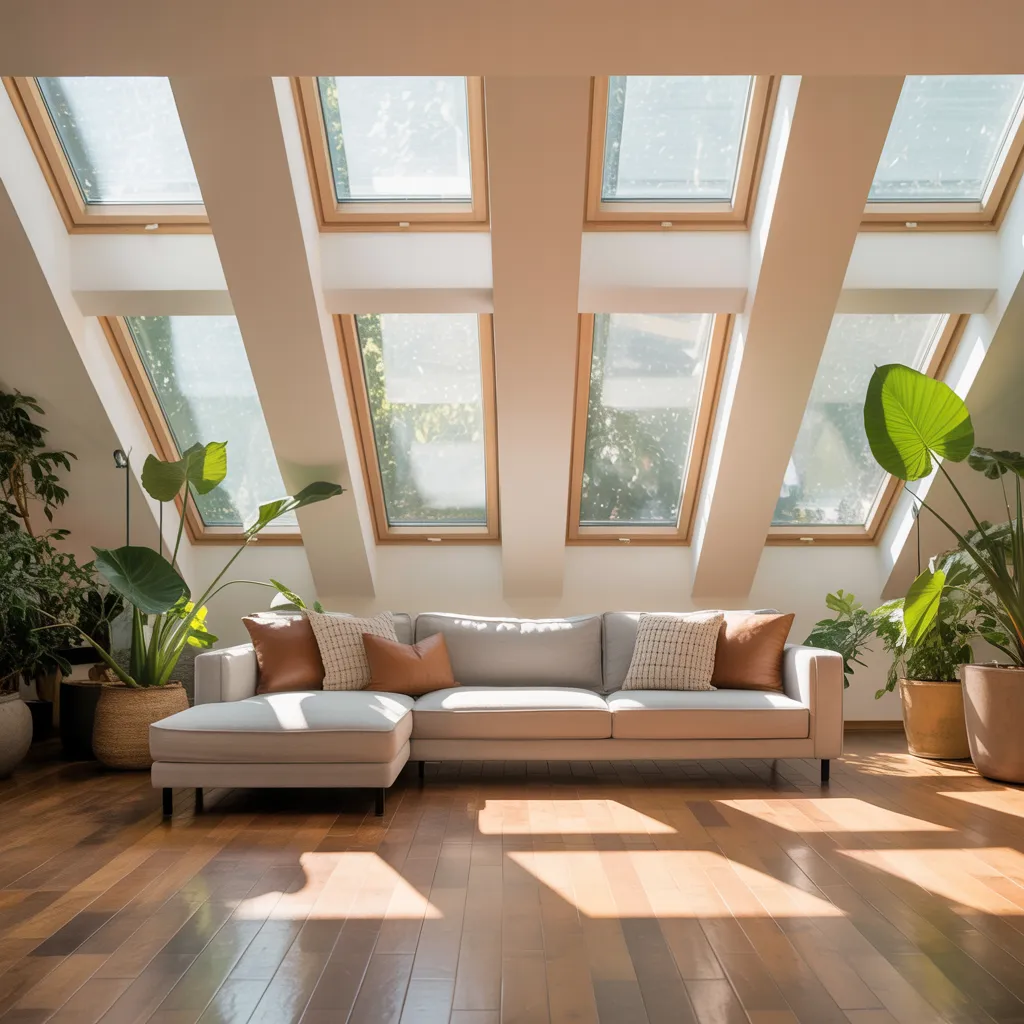
What Are Rooflights and How Do They Save Energy?
Rooflights, also known as skylights, are architectural features designed to allow natural light to penetrate interior spaces. Such installations are capable of considerably boosting energy efficiency in homes and workplaces by decreasing dependence on artificial lighting during daylight hours. By maximizing the use of natural light, rooflights help lower electricity consumption, which can lead to decreased energy bills.
Moreover, modern rooflight designs often incorporate cutting-edge glazing technologies that deliver superior heat retention. This insulation serves to maintain internal temperatures, limiting dependency on climate control systems. Consequently, residents may experience better living comfort while additionally cutting energy expenses.
In addition, well-placed rooflights can boost ventilation, providing better air circulation. This not only promotes a cleaner indoor environment but can also minimise the requirement for mechanical ventilation systems. Ultimately, rooflights offer a wide-ranging approach to boosting energy efficiency in a wide range of building types.

Choosing the Perfect Rooflight for Your Home or Office
When picking a rooflight for a home or office, various considerations should be addressed to guarantee optimal performance and visual appeal. The size and placement of the rooflight are crucial, as they impact both light levels and visual appeal. Selecting the appropriate glazing type is also significant; choices include double or triple-glazing solutions that deliver enhanced thermal insulation and energy savings.
Additionally, the design should complement the architectural style of the structure, whether contemporary or classic. Airflow capabilities are also an important factor, as they can assist in regulating indoor temperatures and air quality.
In conclusion, evaluating local planning permissions and any required building regulations is crucial to ensure compliance. By considering these elements, homeowners can make informed decisions that enhance both the beauty and functionality of their properties while maximizing energy efficiency.
How Rooflights Enhance Natural Light and Energy Efficiency
Rooflights serve a vital function in improving natural light distribution across spaces, allowing for greater daylight utilization. This increased influx of natural light can significantly decrease dependence on artificial lighting, resulting in reduced energy usage. Consequently, the integration of rooflights not only brightens interiors but also promotes enhanced levels of energy efficiency.
Optimized Daylight Integration
While artificial lighting is a key component of modern building construction, the strategic integration of rooflights significantly improves natural light optimization, leading to enhanced energy performance. Rooflights allow abundant natural light to reach interior spaces, decreasing dependence on powered illumination during daylight periods. This natural illumination not only establishes a more inviting space but also results in lower energy consumption. Furthermore, rooflights may be engineered to enhance the spread of light, minimizing glare while maximizing brightness. Incorporating advanced materials, such as low-e glass, may also boost insulation effectiveness, guaranteeing that heat loss is reduced. In summary, strategic daylight control through rooflight systems promotes an eco-friendly method of architectural planning, balancing visual attractiveness with energy efficiency.
Decreased Artificial Lighting Requirements
Natural light greatly reduces the dependence on man-made light sources within interior spaces. Roof windows significantly increase the abundance of sunlight, lighting up areas that would otherwise rely heavily on electrical sources. This reduction in electric lighting not only reduces power usage but also decreases electricity bills over time. By strategically placing roof windows, homeowners can optimize natural light intake, creating brighter, more inviting environments. Improved natural light can improve mood and productivity, also benefiting the overall well-being of inhabitants. Moreover, with decreased use of electric lighting, the ecological footprint is reduced, advancing wider environmental objectives. Fundamentally, rooflights function as a viable option for improving energy performance while promoting a more beneficial indoor environment.
How Rooflights Enhance Temperature Regulation and Insulation
When incorporated into a building's design, rooflights considerably boost temperature regulation and insulation. These design elements enable natural light to filter through while reducing heat loss throughout the colder months. Rooflights can be designed with advanced glazing technologies that deflect excess solar heat during summer, thus decreasing dependence on air conditioning. This feature not only improves comfort but also supports a more consistent internal environment.
Furthermore, rooflights support passive solar heating, capturing sunlight to warm spaces naturally. This can result in a significant reduction in heating costs. The thoughtful arrangement of rooflights can create a balanced spread of light and warmth, minimising cold spots and draughts throughout a room.
Furthermore, superior insulation around rooflight installations is essential. Effectively insulated rooflights prevent thermal bridging, ensuring that energy efficiency is enhanced. In summary, rooflights serve as a critical element in elevating a structure's energy performance and comfort levels.
Cost Savings and ROI of Rooflights
Installing rooflights can result in significant cost reductions over the long term. Through improving natural light intake, rooflights decrease dependence on artificial lighting, which significantly reduces electricity expenses. Studies indicate that businesses can experience up to a 30% reduction in energy costs due to improved daylighting. Additionally, rooflights contribute to better temperature regulation, lessening the need for heating and cooling systems. This consequently results in decreased energy usage and reduced utility bills.
The original investment in rooflights is frequently recovered through these savings within a few years, making it a fiscally wise decision. Moreover, various localities have incentives available for environmentally efficient installations, boosting the financial return on investment for property owners. The enduring rewards reach beyond cost savings, encouraging a greener and energy-conscious property design. Ultimately, the thoughtful application of rooflights not only improves energy efficiency but also provides significant monetary rewards for homeowners and businesses alike.
Practical Examples: Inspiring Stories of Energy Savings With Rooflight Solutions
Numerous case studies illustrate the remarkable impact of rooflights on energy efficiency in various settings. For instance, a business premises in London incorporated rooflights, producing a 30% decrease in lighting costs. Employees reported greater satisfaction and performance as a result of greater natural light, showcasing the wider benefits of these installations.
In a further example, a educational institution in Manchester employed roof lights to light learning spaces, contributing to a considerable decline in energy consumption, permitting the establishment review article to channel funds into educational materials.
Moreover, a private property in the suburbs benefited from skylights, achieving a 25% drop in heating bills during winter months. These instances highlight how rooflights not only reduce energy bills but also enhance the home and workplace settings. As these examples confirm, adding overhead glazing can be a wise investment toward enhanced sustainability and energy savings across multiple industries.
Common Questions and Answers
Is It Possible to Install Rooflights on Every Type of Roof?
Rooflights can be installed on a range of roof types, including pitched, flat, and vaulted roofs. Nevertheless, certain key considerations regarding waterproofing, structural integrity, and local building regulations must be addressed to guarantee proper installation and performance.
Do Rooflights Require Special Maintenance?
Rooflights generally require minimal maintenance, which includes routine cleaning and checking for leaks or damage. Keeping seals secure and tackling any concerns without delay can assist in sustaining their effectiveness and durability over time.
What Building Regulations Apply to Rooflight Installations?
Building regulations for rooflight installations generally encompass conformity with fire safety, structural integrity, and thermal performance requirements. Local planning authorities might further apply constraints, confirming that all installations copyright safety measures and satisfy zoning criteria.
What Eco-Friendly Rooflight Options Are There?
Various eco-friendly rooflight options exist, such as those crafted from recycled materials or designed with energy-efficient glazing. These solutions improve natural light penetration while minimising environmental impact, making them ideal for those pursuing sustainable building solutions.
How Can Rooflights Influence the Resale Value of a Property?
Rooflights are capable of increasing property sale value by optimising the flow of natural light, visual appeal, and energy efficiency. Properties featuring well-placed rooflights often attract buyers looking for contemporary design elements, possibly generating more competitive bids and a speedier transaction.